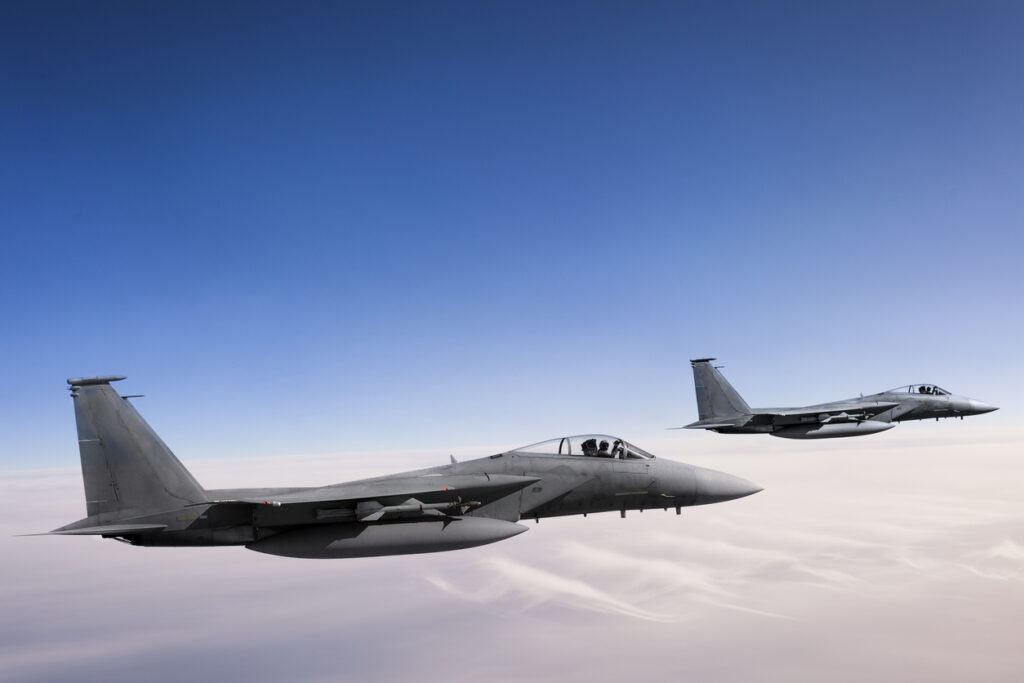
Modern national defense systems are often associated with large-scale platforms, aircraft, armored vehicles, satellites, and advanced weapon systems. But behind every mission-critical platform is a network of small, precision-engineered components that make reliable performance possible. From guidance assemblies to protective housings, these parts must meet exacting standards where tolerances, repeatability, and reliability are non-negotiable. In this environment, precision CNC machining becomes a cornerstone of the defense manufacturing ecosystem.
Defense technologies demand consistency under extreme conditions: vibration, temperature shifts, corrosion, and mechanical stress. Even the smallest machined component can influence system accuracy, safety, and mission readiness. That’s why CNC Machining for National Defense focuses not only on producing parts, but on producing confidence that every part will perform exactly as designed through proven machining capabilities and disciplined manufacturing systems.
Why Small Components Are Mission-Critical
Small machined parts often serve as the backbone of complex defense assemblies. Brackets, fasteners, mounts, connectors, and housings must align perfectly with surrounding systems to maintain functionality and structural integrity. A single out-of-tolerance feature can compromise a guidance system, disrupt communications equipment, or reduce the reliability of protective mechanisms.
CNC machining supports accuracy, durability, and repeatability across these applications. Advanced techniques such as CNC milling, CNC turning, and 5 axis milling allow manufacturers to produce parts with complex geometries and ultra-tight tolerances, while maintaining consistency from prototype through full-scale production. These processes are part of a broader commitment to custom solutions outlined in DPI’s custom CNC machining capabilities.
Defense Applications That Depend on CNC Machining
Defense programs rely on CNC machining across a wide range of components and subsystems, including:
- Guidance system components and precision mounts
- Protective housings and structural enclosures
- Custom fasteners and connectors
- Cryogenic and thermal management parts
- Brackets and support structures for electronics
Many of these parts require custom CNC machining with advanced materials and intricate designs. CNC machining for cryogenics, for example, supports sensitive defense and aerospace systems that operate at extremely low temperatures, where dimensional stability and surface finish are critical. These capabilities align closely with DPI’s experience in cryogenics manufacturing and broader support across regulated industries such as aerospace and national defense.
These applications often demand engineering and machining support throughout the product development lifecycle, from early design reviews to final production-ready design supported by DPI’s value-added services and collaborative approach to manufacturing.
Materials and Manufacturing Challenges
Defense machining commonly involves aluminum alloys, stainless steel, titanium, and specialty alloys selected for strength, corrosion resistance, and performance in extreme environments. These materials can be difficult to machine and often require specialized tooling, controlled processes, and expertise in complex geometries.
Additional challenges unique to national defense manufacturing include:
- Tight tolerances and complex part features
- Strict documentation and inspection requirements
- Traceability of materials and processes
- Compliance with quality and security standards
- Secure production environments
Processes such as cryogenic machining, CNC turning service, and advanced multi-axis milling enable manufacturers to meet these demands while maintaining part integrity and consistency. These specialized methods are reinforced by ongoing investments in advanced inspection and production systems described in DPI’s overview of what we do.
Quality, Traceability, and Risk Mitigation
In national defense manufacturing, quality is inseparable from risk mitigation. Each part must be fully traceable, from raw material to finished component, with documentation that verifies conformance to specifications. A disciplined quality system ensures that defects are identified early and that every component meets operational and regulatory requirements.
Trusted machining partners invest heavily in inspection, validation, and documentation to support mission-critical industries. Robust quality programs such as DPI’s quality assurance system help reduce supply chain risk, improve reliability, and protect downstream system performance. This commitment aligns with evolving standards and certifications outlined in initiatives like DPI’s progress toward AS9100 certification.
From Rapid Prototyping to Scalable Production
Defense programs often begin with rapid prototyping services to validate concepts and refine designs. Through design for manufacturability, engineers can identify potential challenges early and optimize components for production efficiency and reliability.
A strong manufacturing partner supports the full prototype to production transition, helping defense teams:
- Accelerate time-to-market
- Improve production-ready design
- Maintain consistency between prototype and final builds
- Implement scalable manufacturing solutions
This continuity is essential for long-term defense programs that evolve over time and require reliable contract manufacturing and OEM support services supported by end-to-end services and capabilities.
ITAR Registration and Secure Manufacturing
As a trusted manufacturing partner for national defense programs, DPI is an ITAR-registered manufacturer, reinforcing its commitment to secure production environments and controlled handling of technical data and defense-related components. ITAR registration ensures that sensitive information, materials, and parts are managed in compliance with U.S. government regulations—supporting customers who require strict export control, data security, and accountability throughout the product development lifecycle.
This added layer of compliance strengthens DPI’s role as a reliable partner for defense and aerospace customers who depend on disciplined quality systems, traceability, and risk mitigation at every stage of manufacturing.
The Importance of Domestic, Secure Manufacturing
For national defense, supply chain resilience and security are as important as precision. Domestic CNC machining partners provide controlled environments, secure data handling, and dependable supply chain support services that align with government and defense expectations.
A proven machining partner brings more than technical capability, they deliver stability, accountability, and long-term collaboration. With advanced machining capabilities and value-added services, manufacturers can support defense customers from early product development through sustained production across multiple regulated sectors including medical and oil and gas.
Precision That Protects Performance
Behind every advanced defense platform are countless small components that carry enormous responsibility. CNC machining for national defense ensures that these parts meet the highest standards of accuracy, durability, and repeatability—reducing risk and strengthening mission readiness.
By combining disciplined quality systems, secure production environments, and the ability to scale from prototype to production, a trusted manufacturing partner becomes an extension of the defense engineering team. In a field where failure is not an option, precision machining delivers the confidence that every component will perform exactly as intended—no matter how small the part, or how large the mission.
For organizations seeking dependable CNC Machining for National Defense, working with an experienced and ITAR Registered partner ensures that performance, quality, and reliability are built into every component from day one. To begin a project or request a quote, teams can connect directly through DPI’s contact page or submit files securely using the RFQ file transfer portal.